

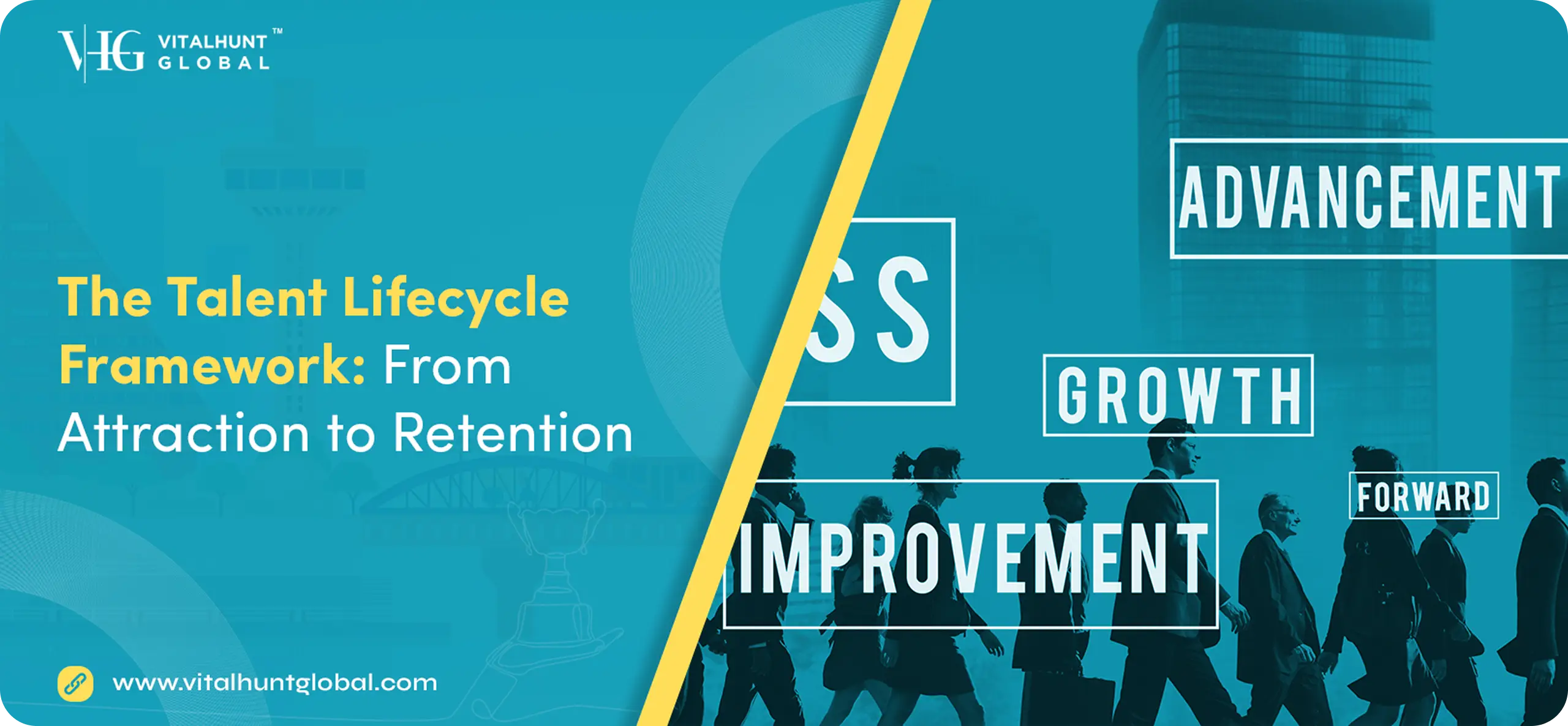
Talent Architecture: Designing Workforce Systems for Sustainable Organizational Success

Hiring 12 September, 2024
Growth looks different from the inside.
From the outside, it often seems smooth.
Teams expanding. New clients coming in. Business moving forward.
But inside… It's a mix of movement, decisions, and adjustments.
Sometimes things align beautifully.
Sometimes they feel a little scattered.
And that difference usually comes down to one thing Structure.
Not a rigid structure. Just thoughtful planning.
That's where Talent Architecture begins to take shape.
It Starts With a Small Shift in Thinking
Picture a growing company.
Work is increasing. Opportunities are coming in.
Naturally, hiring begins.
New roles are opened. People join. Teams expand.
At first, everything feels exciting.
Then slowly…
Some roles overlap.
Some expectations feel unclear.
Leaders take on more than planned.
Nothing is completely wrong. Just… slightly unaligned.
And at some point, a simple thought comes in
"There must be a more structured way to do this."
That thought is the beginning of something better.
What Talent Architecture Really Means
Instead of thinking about hiring as a task…
You start thinking about it as a system.
Like building something that will last.
Imagine designing a house.
You don't start by placing walls randomly.
You think about:
- Attracts people
- Hires them
- Helps them grow
- Builds leadership
- Retains talent
When Structure Enters, Things Feel Lighter
Without structure, hiring often follows a pattern. Growth → urgent hiring → small gaps → more hiring. It keeps moving. But not always smoothly. With structure, something changes. Decisions feel clearer. Teams feel more balanced. Growth feels manageable. Because now, hiring is not just about filling positions. It's about building something sustainable.
The Building Blocks (As They Naturally Happen)
In reality, these steps don't happen one by one. They overlap. They support each other. Let's walk through them in a simple way.
1. Planning Before Hiring Begins:
Before adding someone new, a small pause helps. "What do we really need right now… and what might we need next?" This is where strategic workforce planning quietly supports decisions. It looks at current strengths, future goals, and skills that may be needed. So hiring feels intentional. Not rushed.
2. Creating a Hiring Process That Feels Clear:
A good hiring experience feels simple. Clear roles. Clear expectations. Strong talent acquisition services focus on defined job descriptions, structured interviews, and thoughtful communication. It makes the process smoother for everyone. And people remember that experience.
3. Strengthening Leadership Early On:
As teams grow, leadership becomes important. Not loudly. But steadily. The right leaders support teams, guide decisions, and bring stability. Working with an executive search firm in India often helps in finding leaders who fit not just the role… but the journey. Because alignment matters more than titles.
4. Expanding Hiring Support When Needed:
Growth sometimes brings volume. More roles. Less time. That's when recruitment process outsourcing (RPO) becomes helpful. It supports larger hiring needs, consistent processes, and better candidate experience. Almost like an extended team. Working alongside you.
5. Keeping Systems Stable Through Compliance:
Some parts of a business work quietly. But they matter a lot. Things like payroll, policies, and documentation. Strong HR compliance ensures everything stays aligned. No confusion. Just smooth functioning.
6. Showing Your Identity as an Employer:
Today, people don't just apply anywhere. They choose where they want to work. That's where employer branding plays a role. It shares what your company believes in, how people grow, and what the culture feels like. When this is clear… the right people connect naturally.
7. Adding Depth to Hiring Decisions:
Sometimes, a resume doesn't show everything. That's where psychometric assessment services help. They give insights into work style, personality, and leadership potential. It adds another layer of understanding. Helping decisions feel more complete.
Why It Matters More Than It Seems
For any business, people shape everything. The right team:
- Supports growth
- Builds culture
- Strengthens execution
Building Your Own Talent Architecture (Step by Step)
It doesn't have to be complicated. Start small.
- Understand your current team
- Think about future direction
- Identify simple gaps
- Build basic processes
- Focus on clarity
Final Thoughts: Designing With the Future in Mind
At its heart, Talent Architecture is not just about hiring. It's about building a foundation. Where teams feel aligned, leaders feel prepared, and growth feels steady. Because when people and strategy connect… Work feels smoother. Progress feels natural.
Let's Start Building Something Structured
If your business is growing and you feel the need for more clarity in hiring and team structure… That's a good sign. It means you're ready to move from reacting… to designing. Take a moment to review your current approach. Identify small gaps. Start building simple systems. Because the strongest organizations are not built in a rush. They are built with intention. And once that structure is in place… everything else starts aligning.
Similar Blogs
Hiring28 September, 2024
The Talent Lifecycle Framework: From Attraction to Retention
Some things in business feel exciting right away. Hiring someone new… is one of them. But truth is… hiring is just the beginning...
Hiring15 October, 2024
Strategic Workforce Planning: Connecting People Strategy to Business Goals
Growth can feel exciting. But internally, sometimes things feel slightly stretched. That gap comes from one simple place— People strategy and business strategy not fully moving together...
Let's Build
What's Next.
Whether you are looking for a critical leader, building a new team, scaling your workforce or strengthening your HR function, let's start with a conversation.
Tell us what you are building. We'll help you find the people and solutions to move it forward.